
How These Pink Birds Survive When Temperatures Drop?
Flamingos feel like the ultimate symbol of sunshine—warm breezes, shallow lagoons, and pastel sunsets. So it’s only natural to wonder: what happens when flamingos face cold weather? Do they freeze? Do they migrate? Or do they just stand there on one leg pretending winter doesn’t exist?
The truth is a little more fascinating than the myths. Flamingos are tougher than they look—and surprisingly well adapted to cooler temperatures when conditions allow.
Where Flamingos Normally Live
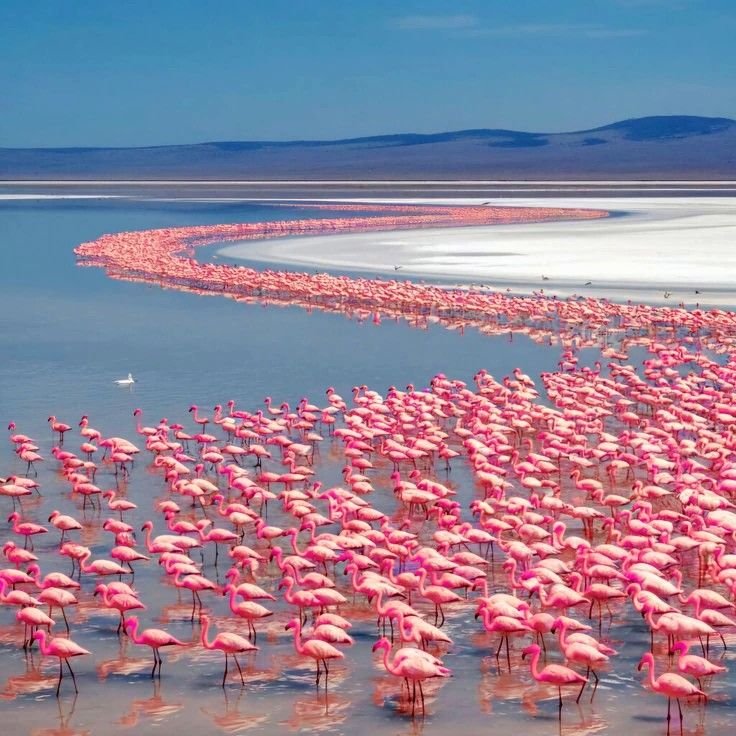
Flamingos are found in warm and temperate regions around the world, often in salty or alkaline lakes, coastal lagoons, and wetlands. These environments may look tropical, but many experience seasonal shifts, cooler nights, and even occasional cold snaps.
They aren’t strictly “tropical-only” birds. In fact, some flamingo habitats regularly dip into chilly territory—especially at night or during winter months.
Can Flamingos Survive Cold Weather?
Yes—to a point.
Flamingos can tolerate cold temperatures better than most people expect. What matters more than air temperature is whether their food source remains available. If shallow waters freeze over and they can no longer filter-feed for algae and small crustaceans, that’s when flamingos run into trouble.
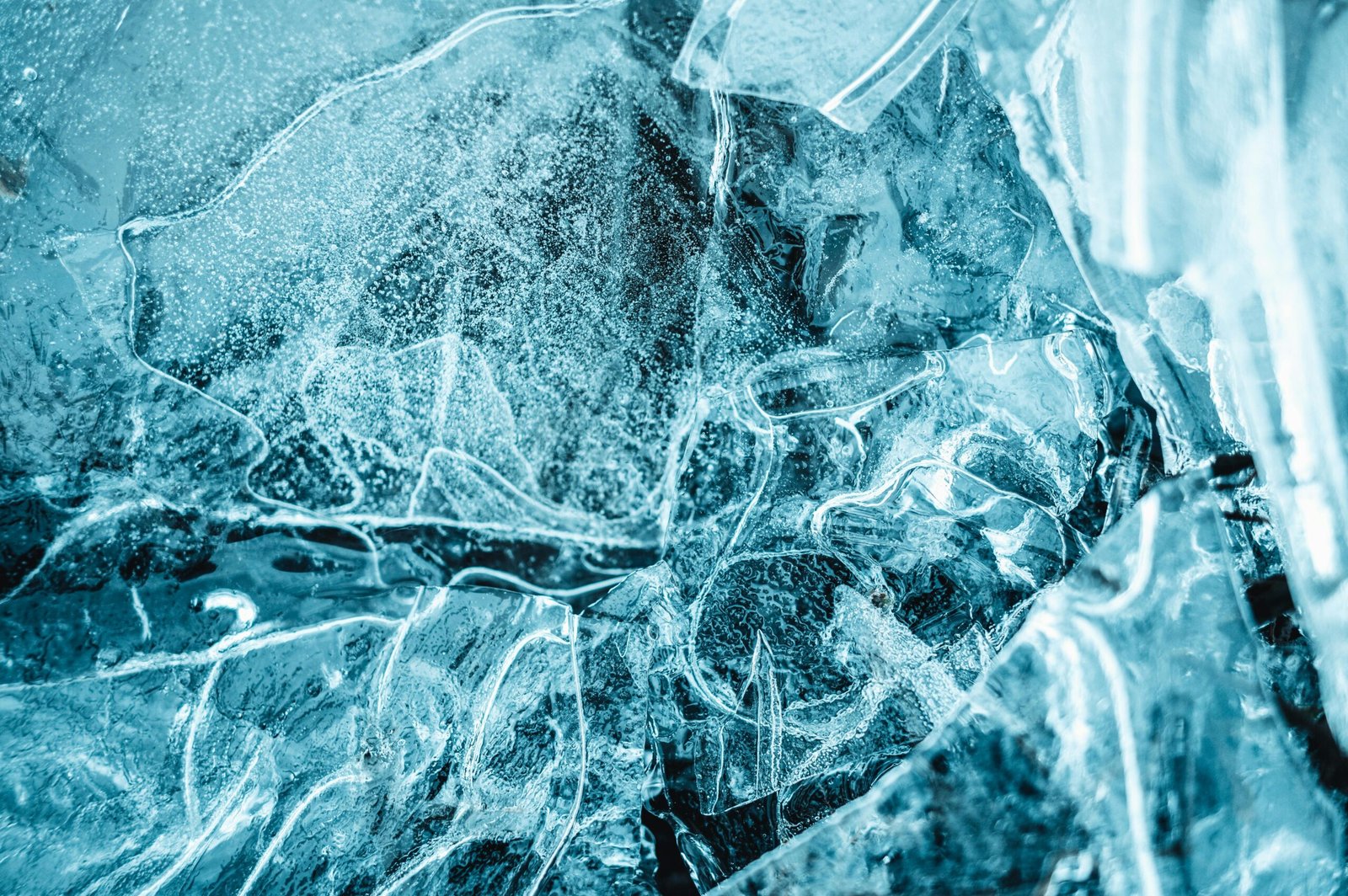
Cold weather itself isn’t the enemy. Ice is.
The Secret Weapon: Flamingo Legs

If you’ve ever seen flamingos in Florida, the Caribbean, or the Bahamas, you’ve met the American Flamingo. This species is known for its deep coral-pink to reddish coloring, making it the most vibrantly colored flamingo in the world.
Where they live:
Florida, Caribbean islands, Mexico, Central America, Northern South America
Do Flamingos Migrate When It Gets Cold?
Sometimes—but not in the way people expect.
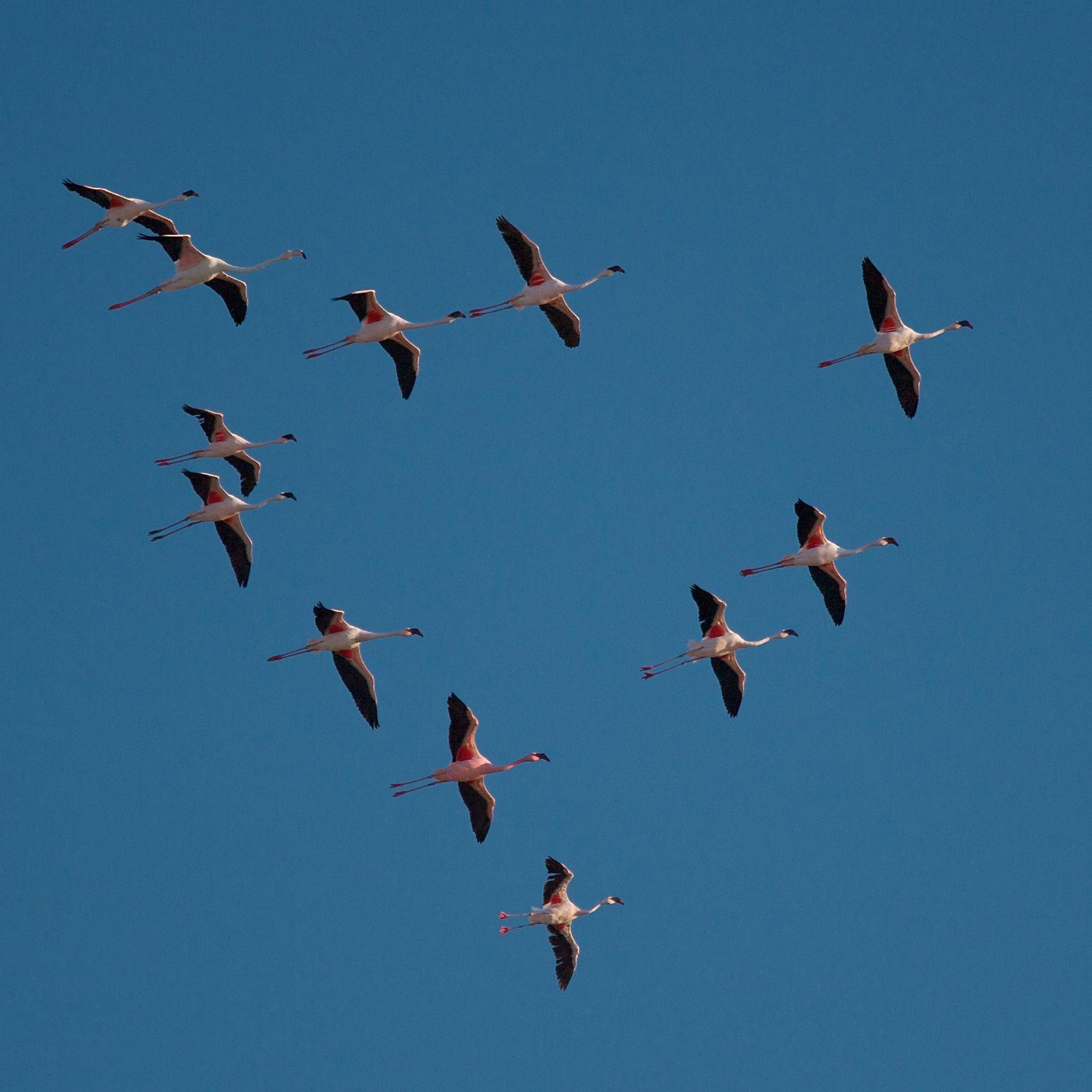
Flamingos don’t follow classic north–south migration routes like geese. Instead, they are opportunistic movers. If conditions worsen—frozen lakes, food shortages, severe storms—they’ll relocate, sometimes hundreds of miles, to better feeding grounds.
This is why flamingos occasionally show up in unexpected places after extreme weather events.
Flamingos in Snow: Rare, But Real
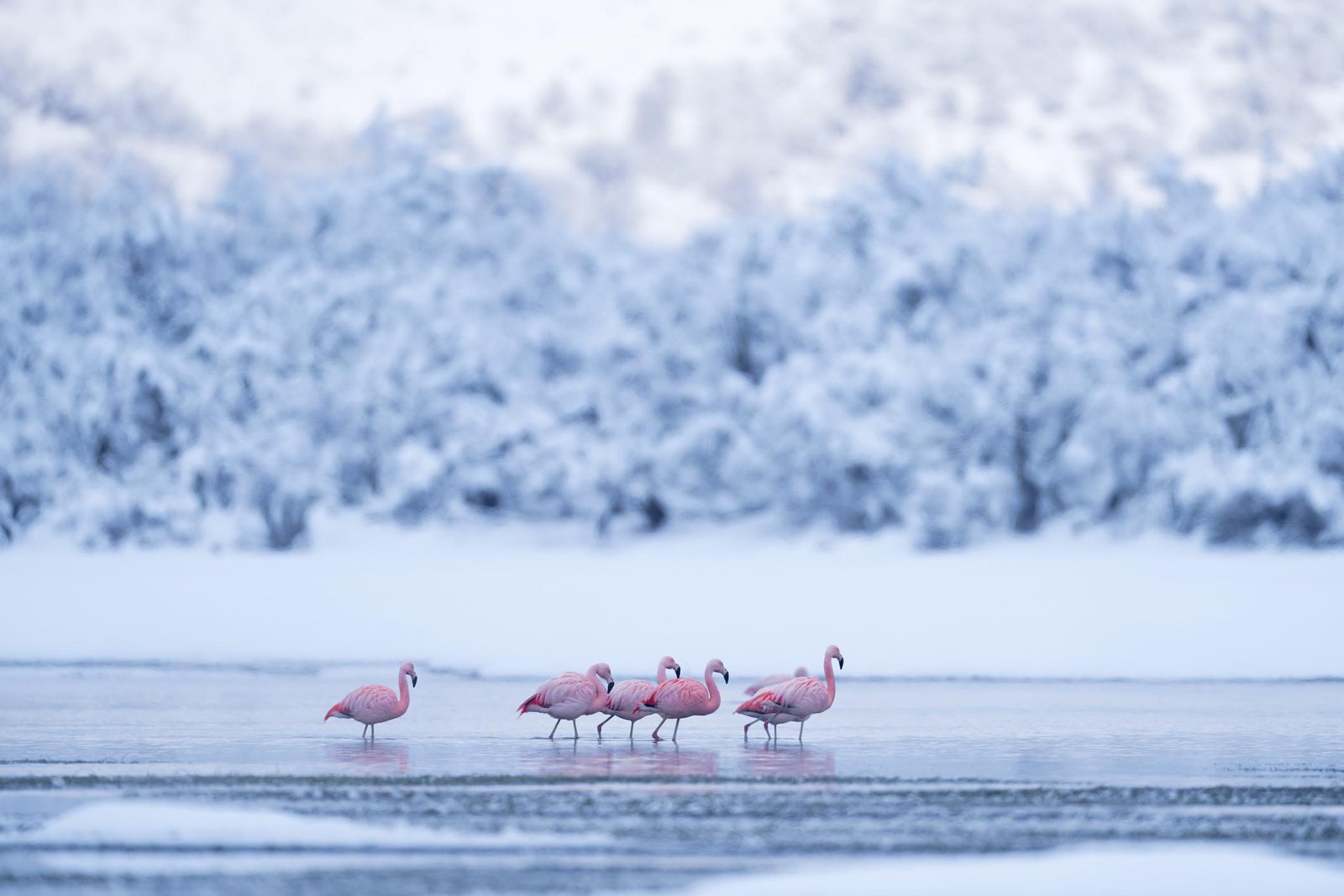
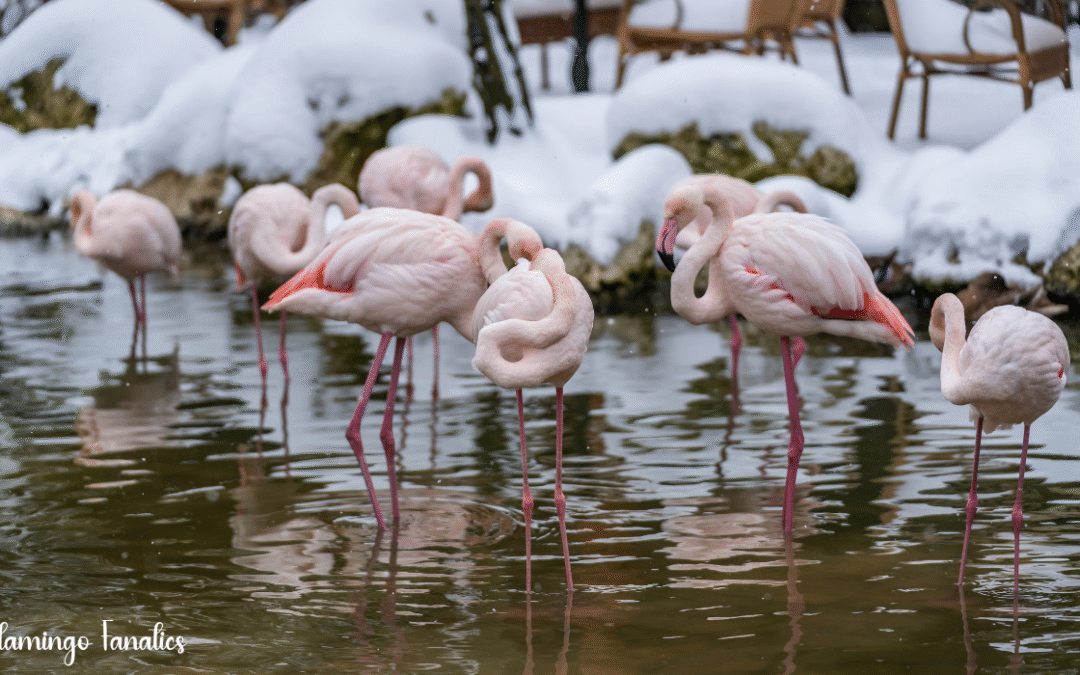
Photos of flamingos standing in snow look surreal, but they do happen. Zoos and wildlife reserves in cooler climates often house flamingos year-round.
In these environments:
-
Birds may remain outdoors in cold weather
-
Sheltered areas are provided during extreme conditions
-
Diets are carefully managed to ensure proper nutrition
As long as water doesn’t freeze solid and food remains accessible, flamingos can handle colder days remarkably well.
Why Freezing Temperatures Are Dangerous
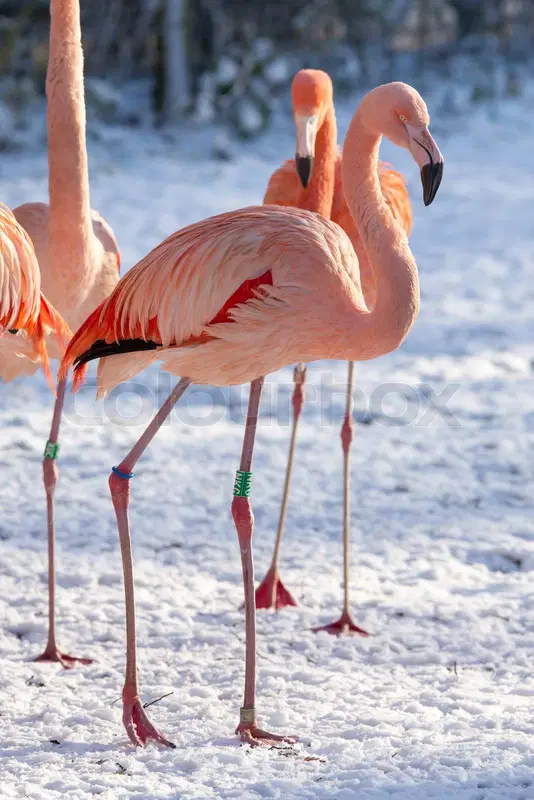
The biggest risk flamingos face in winter isn’t frostbite—it’s starvation.
Flamingos feed by sweeping their bills through shallow water to filter microscopic food. When lakes freeze:
Feeding becomes impossible
Energy reserves drop quickly
Birds are forced to move or face serious danger
This is why large cold snaps can trigger sudden flamingo movements or, in rare cases, mass die-offs in the wild.
How Flamingos Stay Warm Naturally
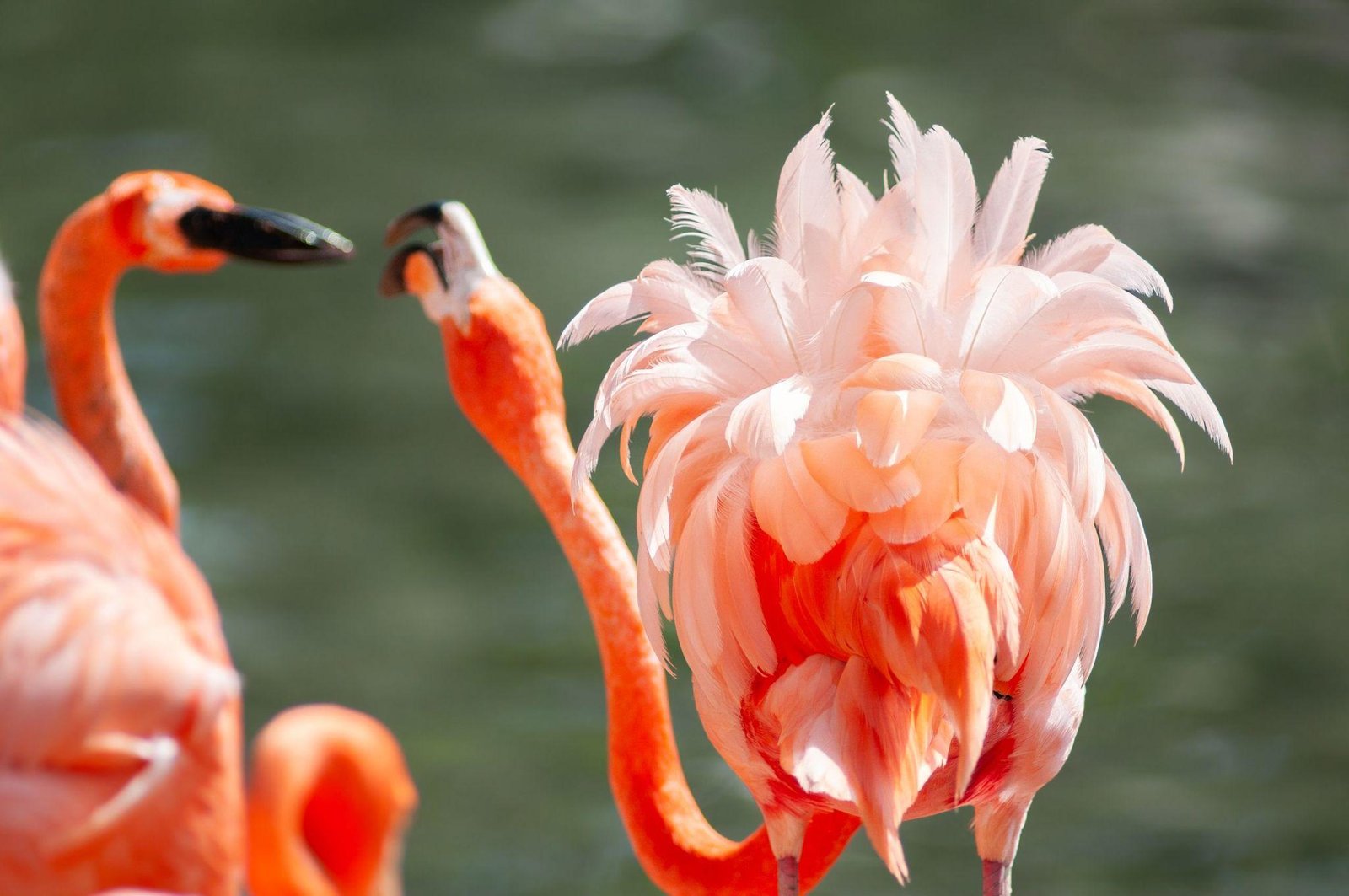
Flamingos rely on several clever strategies to deal with cold conditions:
Dense feathers that trap body heat
Tucking their heads under wings while resting
Huddling together to reduce heat loss
Choosing shallow water that warms faster during daylight
They may look calm and motionless, but there’s a lot of quiet survival strategy happening beneath the surface.
Climate Change and Cold Weather Extremes
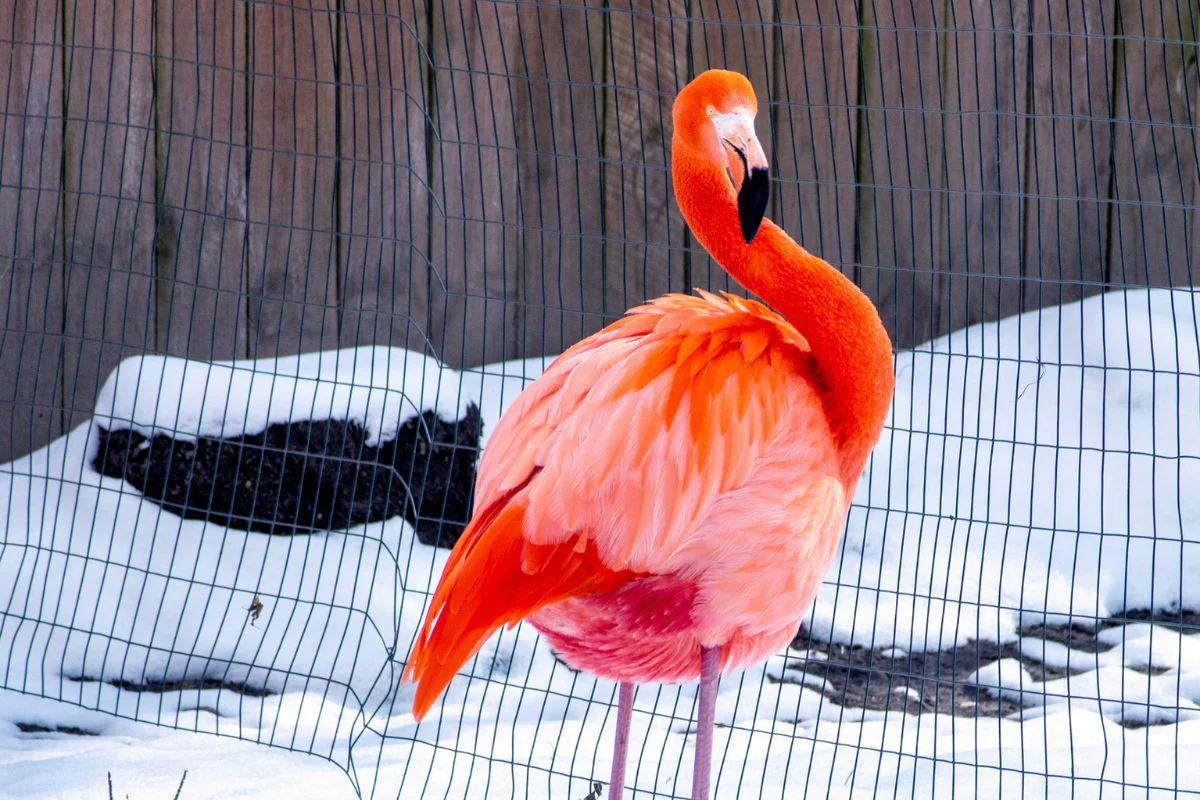
While warming trends dominate climate discussions, extreme weather swings—including sudden freezes—are becoming more common. These abrupt changes can catch flamingos off guard, especially in regions where cold weather was once rare.
Conservationists now monitor flamingo populations closely during winter storms to better understand how these iconic birds are adapting to a changing climate.
Final Thoughts: Tougher Than They Look
Flamingos may be pink, graceful, and associated with beach vibes—but don’t underestimate them. These birds are resilient, adaptable, and far more capable of handling cold weather than their reputation suggests.
As long as they can eat, they can endure.
And the next time you see a flamingo standing calmly in chilly water, remember: that elegance comes with some serious survival skills.

Don’t let the pink fool you—flamingos are tougher than they look! We can handle a chilly breeze and a cold dip, but when the ice takes over the buffet, that’s our cue to move on. Stay warm, keep your feathers fluffed, and always go where the food is. Now that’s smart flocking!” 🦩
— Mingo the Flamingo
Show Your Flamingo Love
Love flamingos as much as we do? 🦩 Explore our flamingo-inspired shirts, gifts, and accessories made just for true pink fans.