
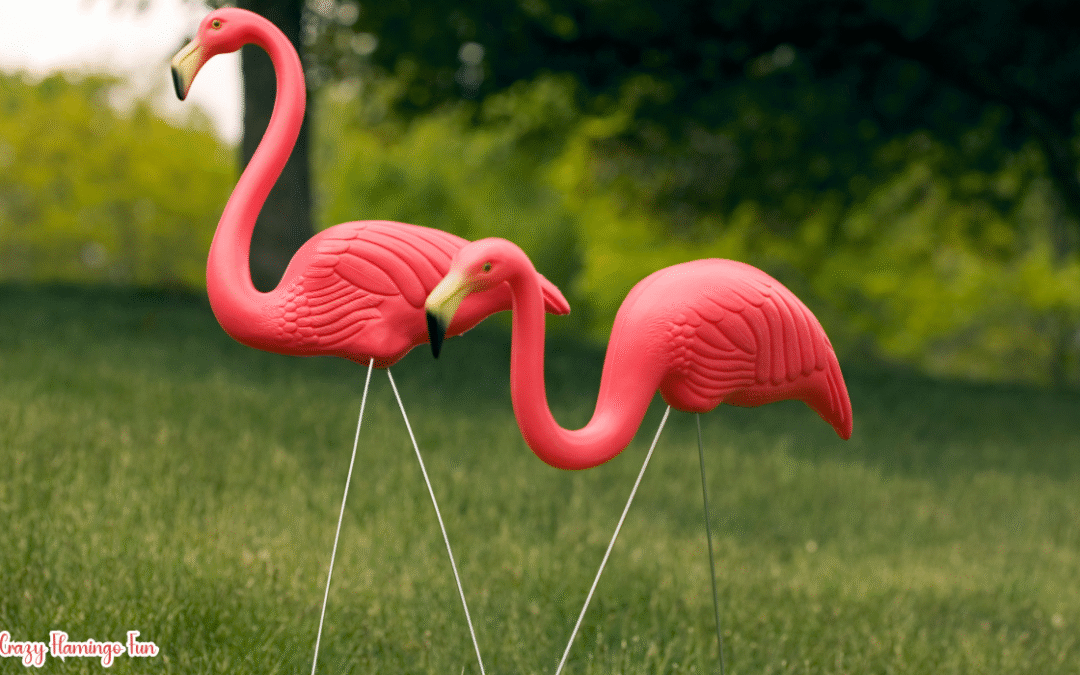
How a Pink Plastic Bird Became an American Icon
Before the lawn flamingo became a museum-worthy piece of Americana or a symbol of retro rebellion, it was simply joy planted in the grass.
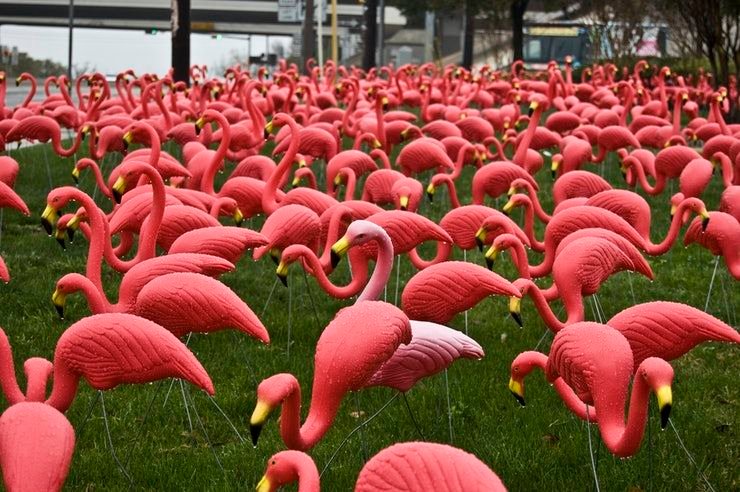
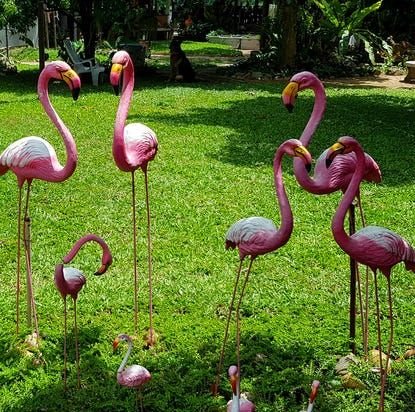
I know this because at one point, I had over 80 flamingos in my yard. Not a handful. Not a cute pair. Eighty. They stood proudly in clusters and rows, turning my front lawn into a sea of pink. And people noticed. Neighbors slowed their cars. Visitors stopped to count them. Folks from around the area would actually pull over just to see what all the flamingos were about.
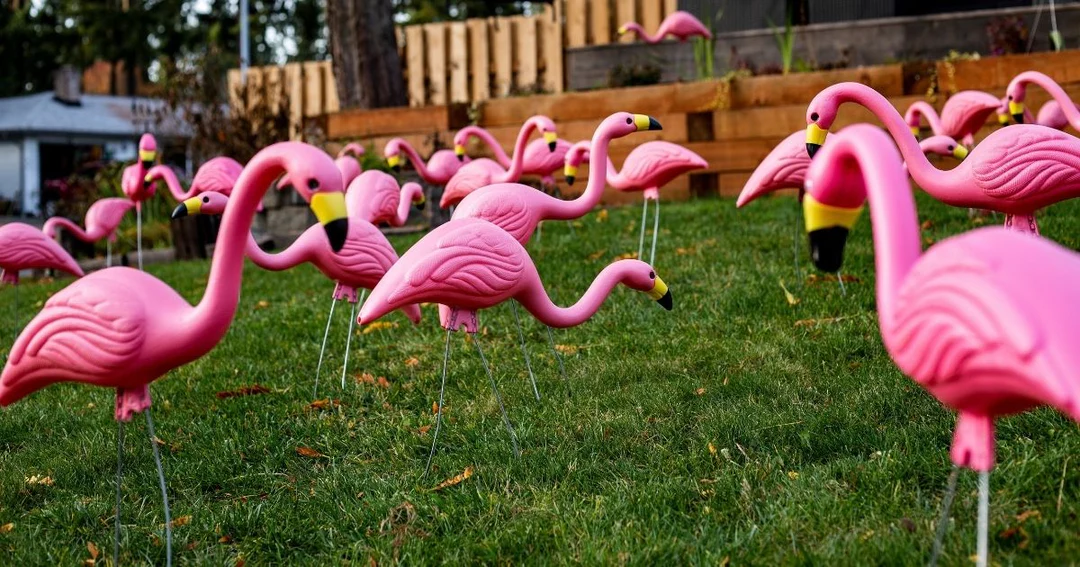
That’s when it hit me: the lawn flamingo does more than decorate a yard—it creates a moment. A pause. A smile. A story.
And that story began long before my lawn ever turned pink.
Few objects say mid-century Americana quite like the pink lawn flamingo. Loved, mocked, banned, celebrated, and resurrected, this bright plastic bird has waddled its way through decades of American culture—and somehow survived it all…
The Birth of the Lawn Flamingo (1950s)
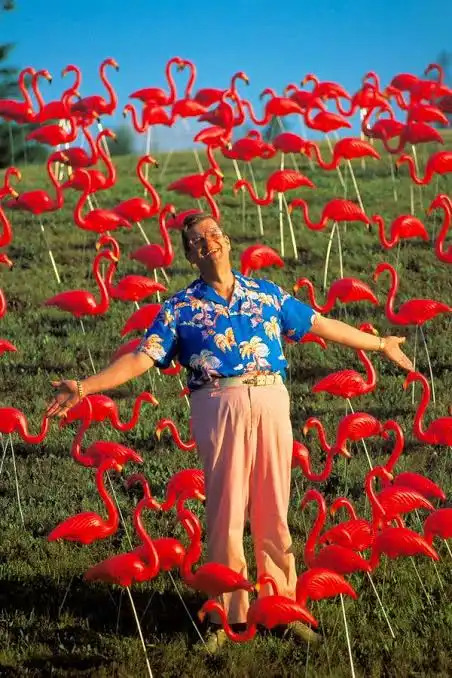
The lawn flamingo as we know it was born in 1957, created by sculptor Donald Featherstone, who worked for Union Products in Leominster, Massachusetts—a town once known as the Plastics Capital of the World.

Featherstone designed the flamingo using real flamingos as reference, even visiting zoos to get the posture just right. His goal wasn’t irony or humor—it was beauty. At the time, Americans were moving into new suburban neighborhoods, and lawn décor was a way to express pride, prosperity, and personality.
The flamingo was:
-
Affordable
-
Colorful
-
Exotic (most Americans had never seen a real flamingo)
-
Perfect for mass production
Union Products sold millions of them.
Suburbia, Status, and the American Dream
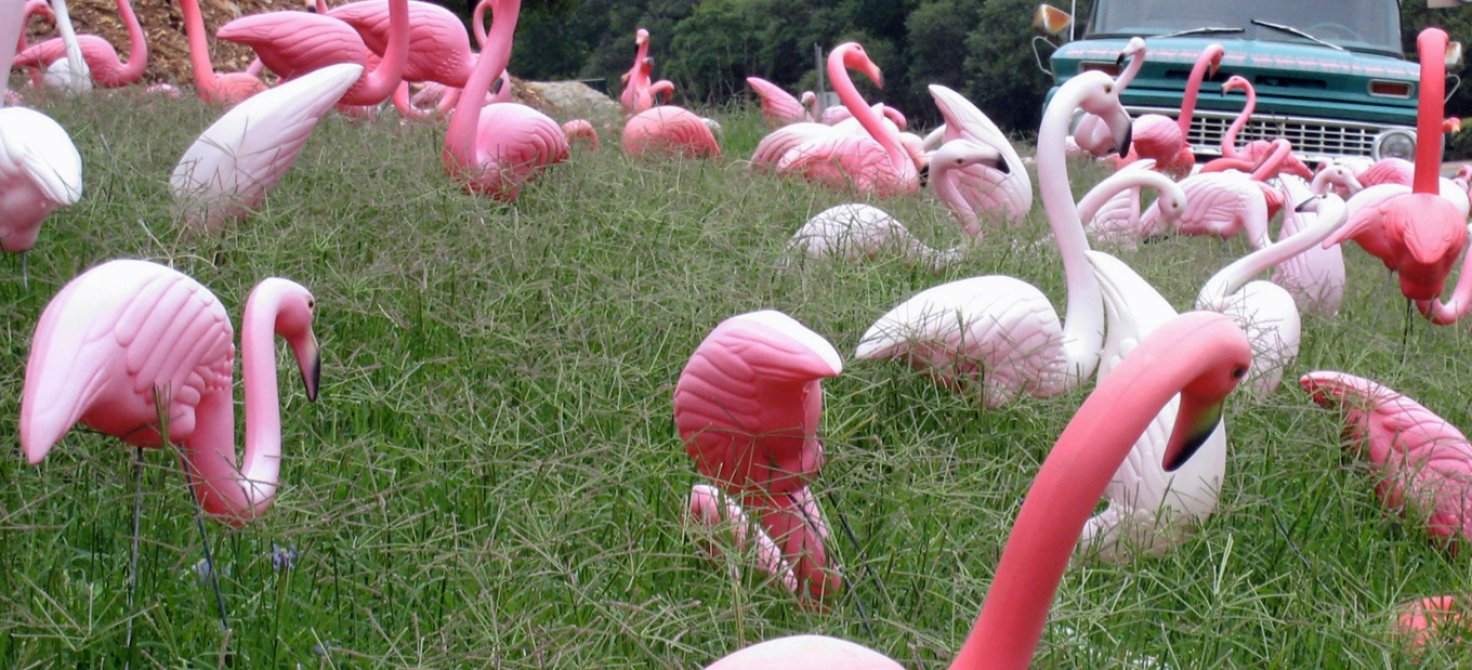
In the post–World War II boom, manicured lawns became a symbol of success. Garden gnomes, concrete deer, bird baths—and flamingos—lined front yards across the country.
Originally, lawn flamingos were not considered tacky. They were fashionable and modern, representing:
-
Leisure and optimism
-
Aspirational travel (Florida! The tropics!)
-
A cheerful break from neutral suburban palettes
Pink, after all, was having a moment in the 1950s.
From Fashionable to “Tacky” (1960s–1970s)
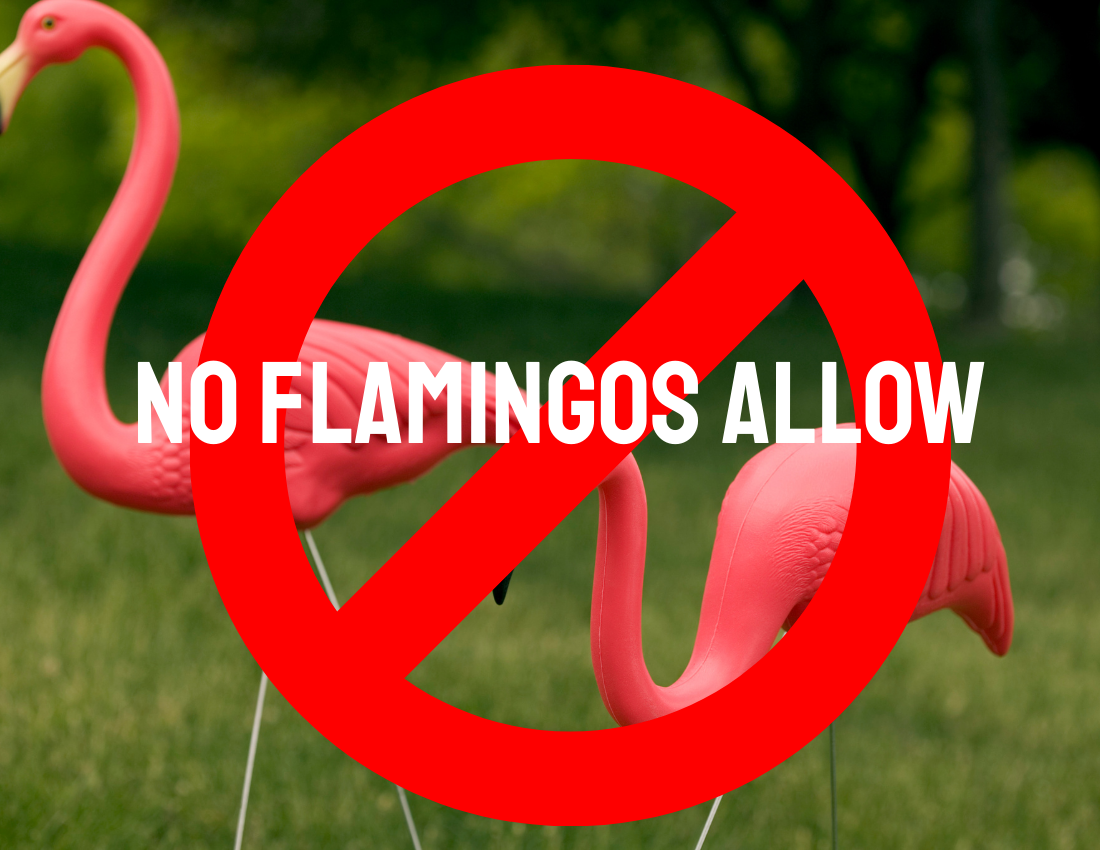
As design trends shifted, flamingos fell out of favor with critics and tastemakers. Minimalism rose. Anything mass-produced, brightly colored, or whimsical became shorthand for “bad taste.”
The lawn flamingo turned into:
-
A punchline
-
A symbol of kitsch
-
A marker of “lowbrow” culture
Some cities and homeowners’ associations even banned them outright, lumping flamingos in with broken appliances and unapproved signage.
But here’s the twist: being labeled “tacky” only made the flamingo stronger.
The Flamingo as Rebellion (1980s–1990s)
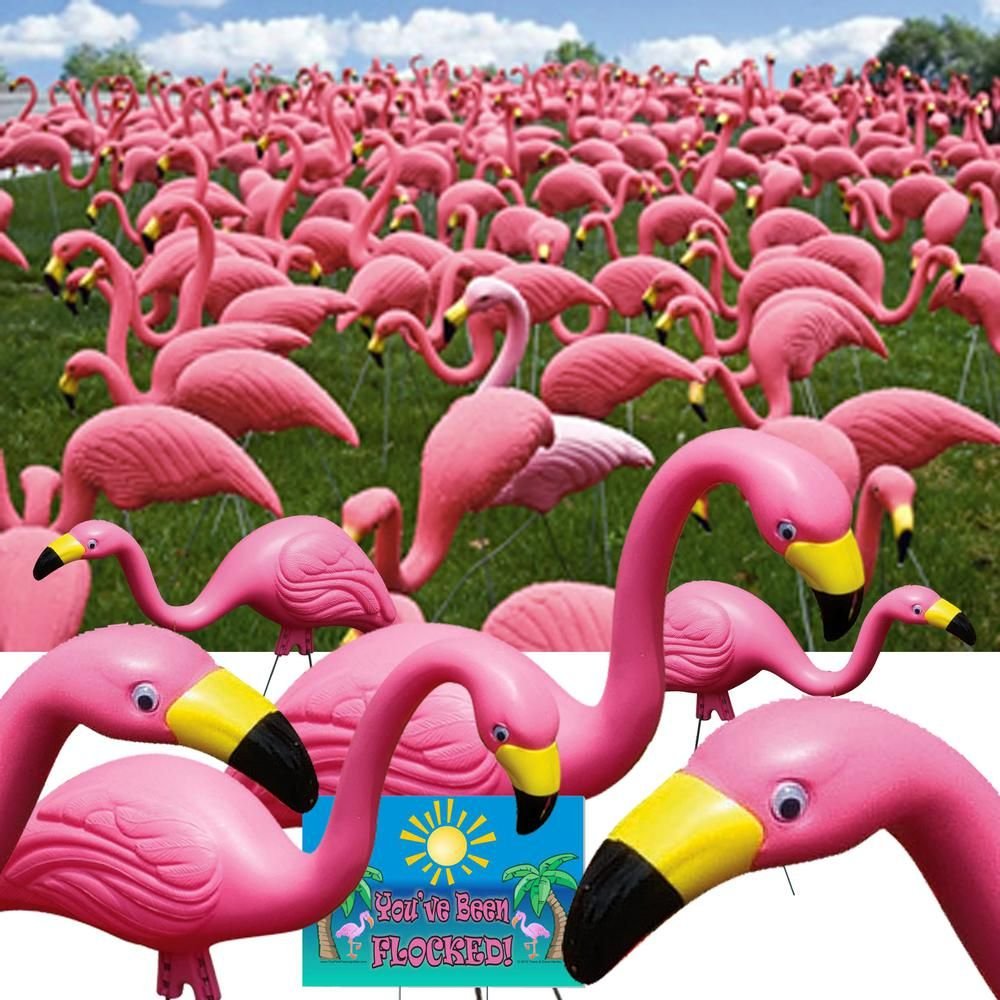
By the 1980s, lawn flamingos were reclaimed—ironically and proudly. College students flocked yards overnight. Artists and counterculture embraced them as a middle finger to conformity.
Pop culture sealed the deal:
-
The 1972 John Waters film Pink Flamingos turned the bird into a cult icon
-
Flamingos became synonymous with camp, satire, and outsider art
Owning a lawn flamingo now said:
“I know this is ridiculous—and I love it.”
Decline and Near Extinction (Early 2000s)
In 2006, Union Products closed its doors, and production of the original Featherstone flamingos stopped. For a moment, it seemed the iconic bird might fade into history.
Collectors scrambled.
Vintage flamingos became prized.
Some feared the end of an era.
The Comeback: Nostalgia Wins (2010s–Present)
Thankfully, the flamingo refused to disappear.
After Featherstone’s passing in 2015, the rights to the original molds were revived, and the classic flamingos returned—complete with their signature two-piece design and realistic stance.
Today, lawn flamingos are:
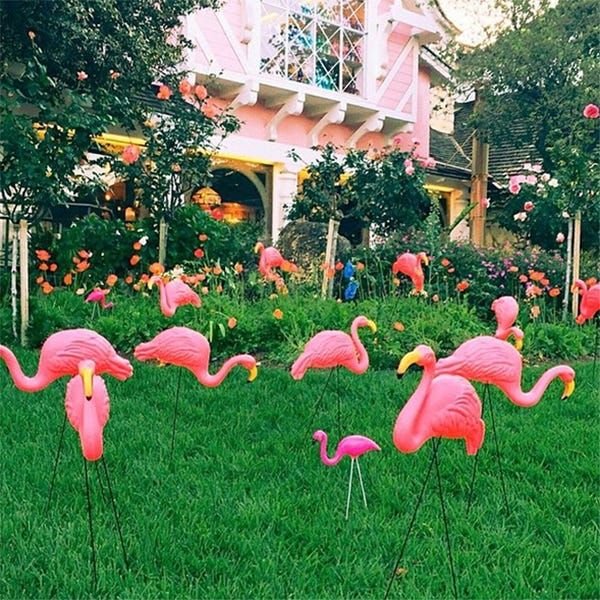
Celebrated as Americana
Featured in museums and design books
Used in festivals, fundraisers, and social media
A staple of Florida kitsch and retro décor
In fact, the flamingo is now the official state bird of Florida, making its lawn counterpart even more iconic.
Why We Still Love Lawn Flamingos
The lawn flamingo endures because it represents something deeply human:
Joy without apology
Humor over perfection
Color in a beige world
It doesn’t try to be serious.
It doesn’t blend in.
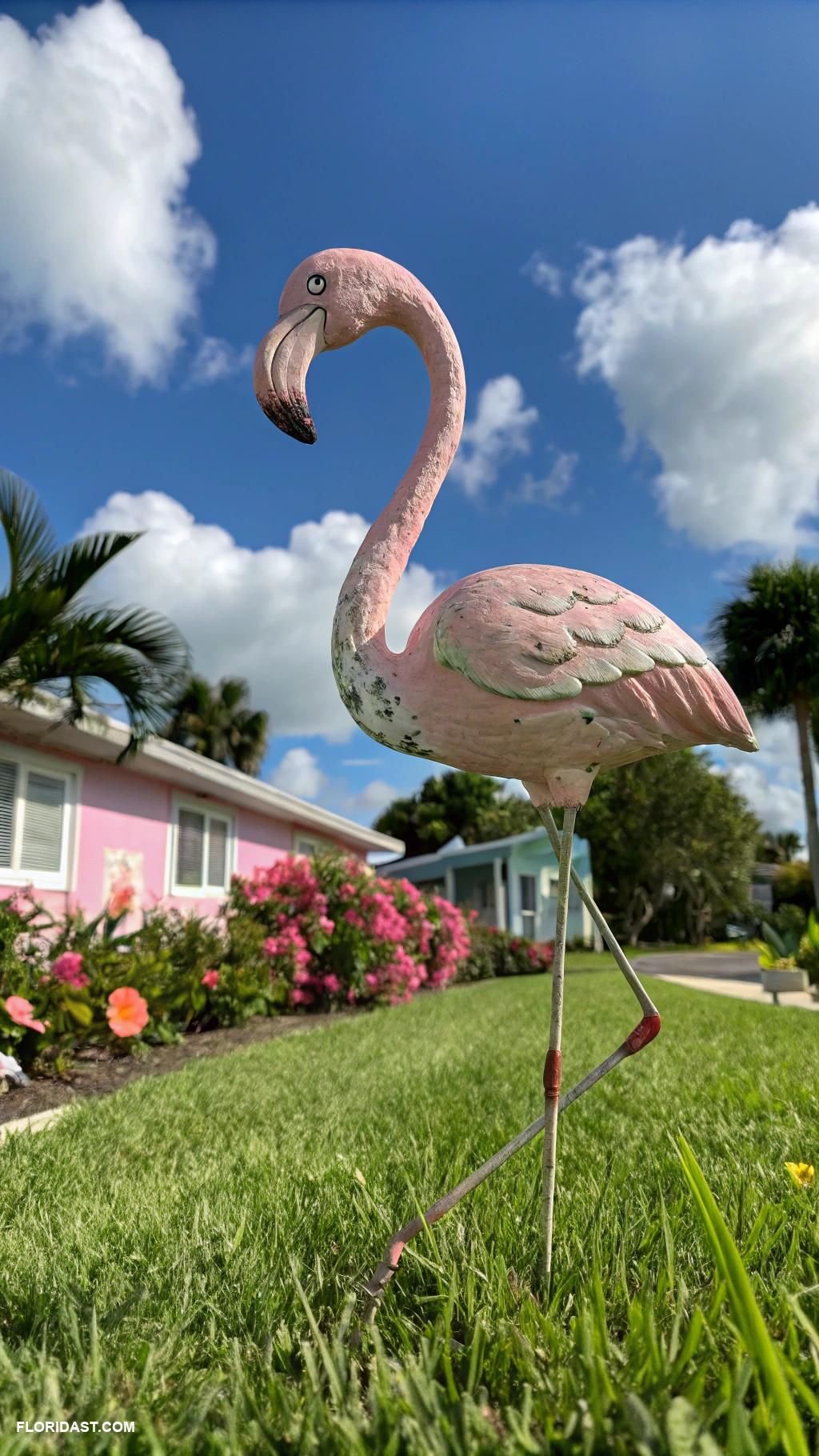
It stands tall—on one leg—exactly as it is.
Final Thoughts: Long Live the Flamingo 🦩
From suburban status symbol to counterculture icon to beloved nostalgia piece, the lawn flamingo has lived many lives. Its staying power proves that not everything needs to be tasteful, subtle, or serious to be meaningful.
Sometimes, all you need is a bright pink bird reminding you not to take life—or your lawn—too seriously.
And if anyone calls it tacky?
Stick another flamingo in the ground.
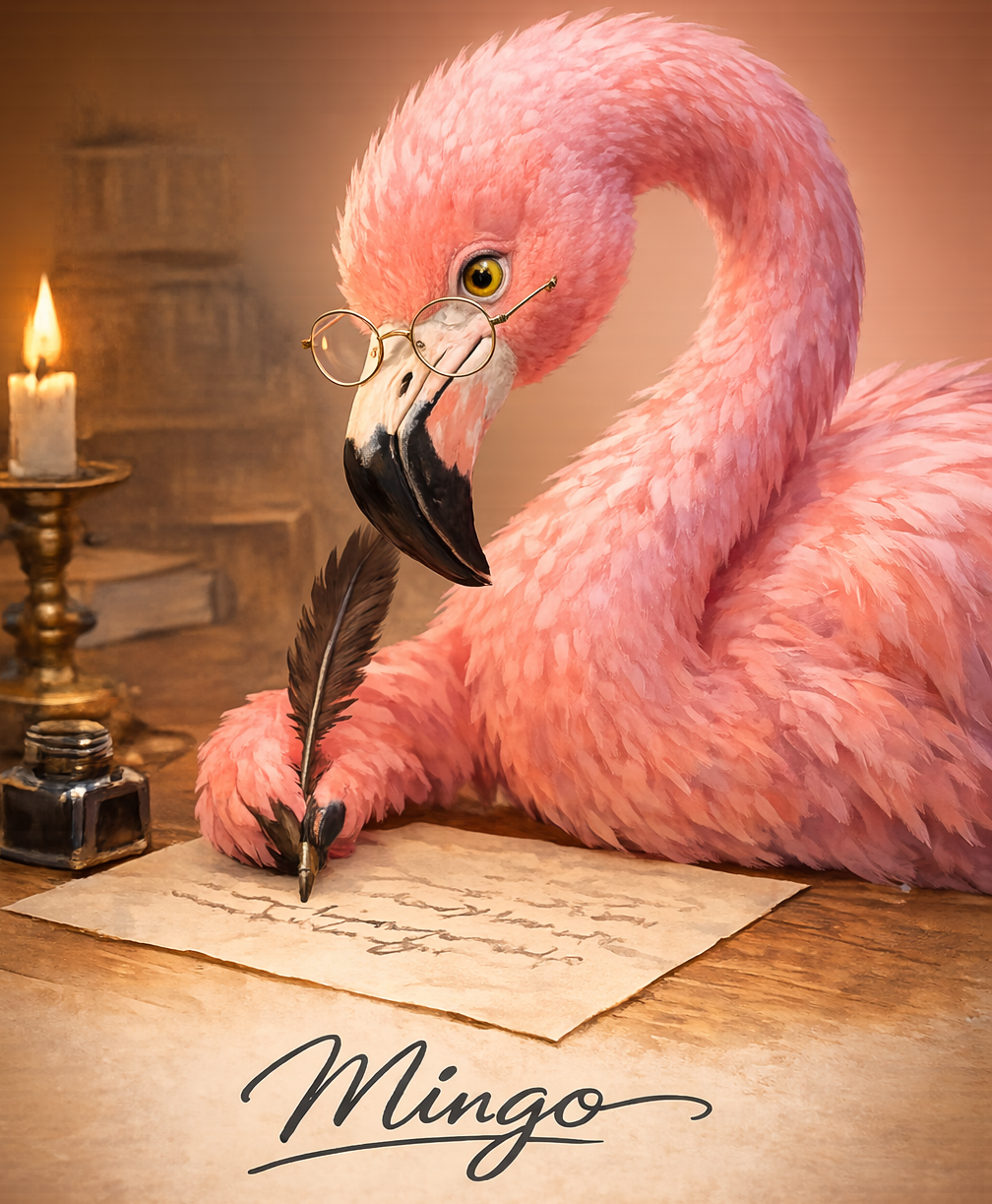
Until next time, keep a little pink in your step and don’t be afraid to stand out. After all, life’s more fun on one leg.
— Mingo the Flamingo